
Severe Acne & Scarring Progressive Correction
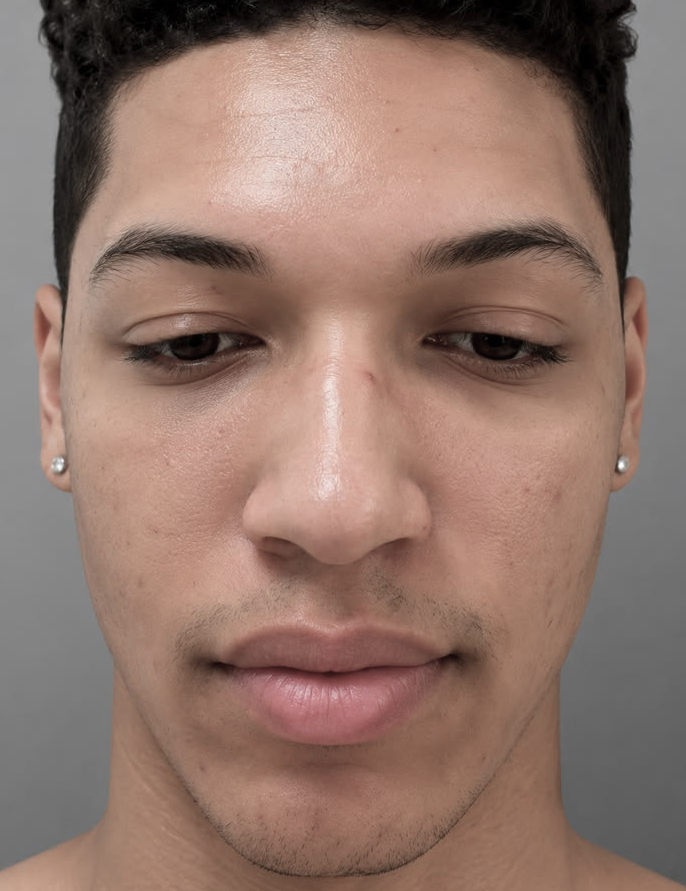
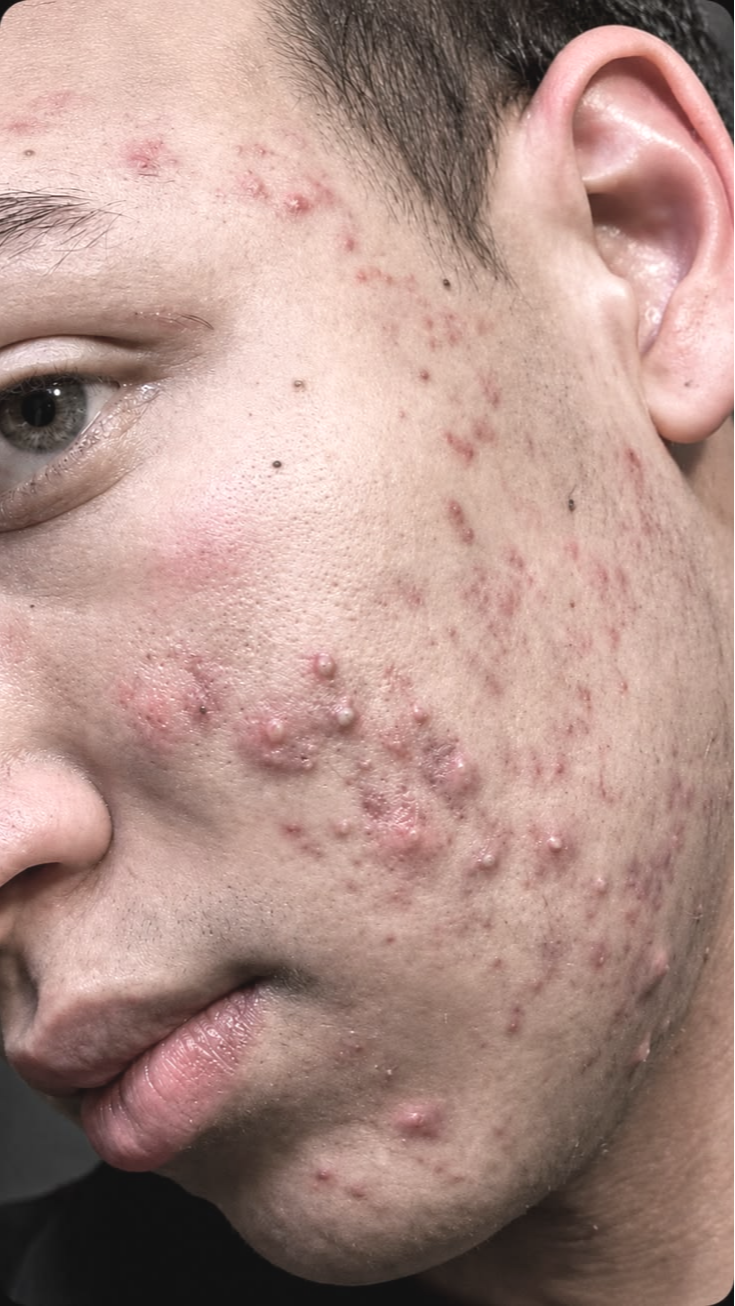
The skin presented with severe inflammatory acne, active pustular breakouts, persistent redness, post-inflammatory hyperpigmentation, acne scarring, and significant textural irregularities. Over six months, an intensive corrective plan was carefully progressed through consistent skin assessments and ongoing follow-up, with adjustments made according to the skin’s response, tolerance, and stage of improvement.
The protocol combined targeted multi-therapy treatments with corrective clinical-grade skincare to address active breakouts, reduce inflammation, correct residual pigmentation, and progressively improve scarring and uneven texture. With consistency, close monitoring, and strategic adjustments, the skin became visibly clearer, calmer, smoother, and more even, with significant improvement in both the severity of active acne and the overall appearance of residual scarring.

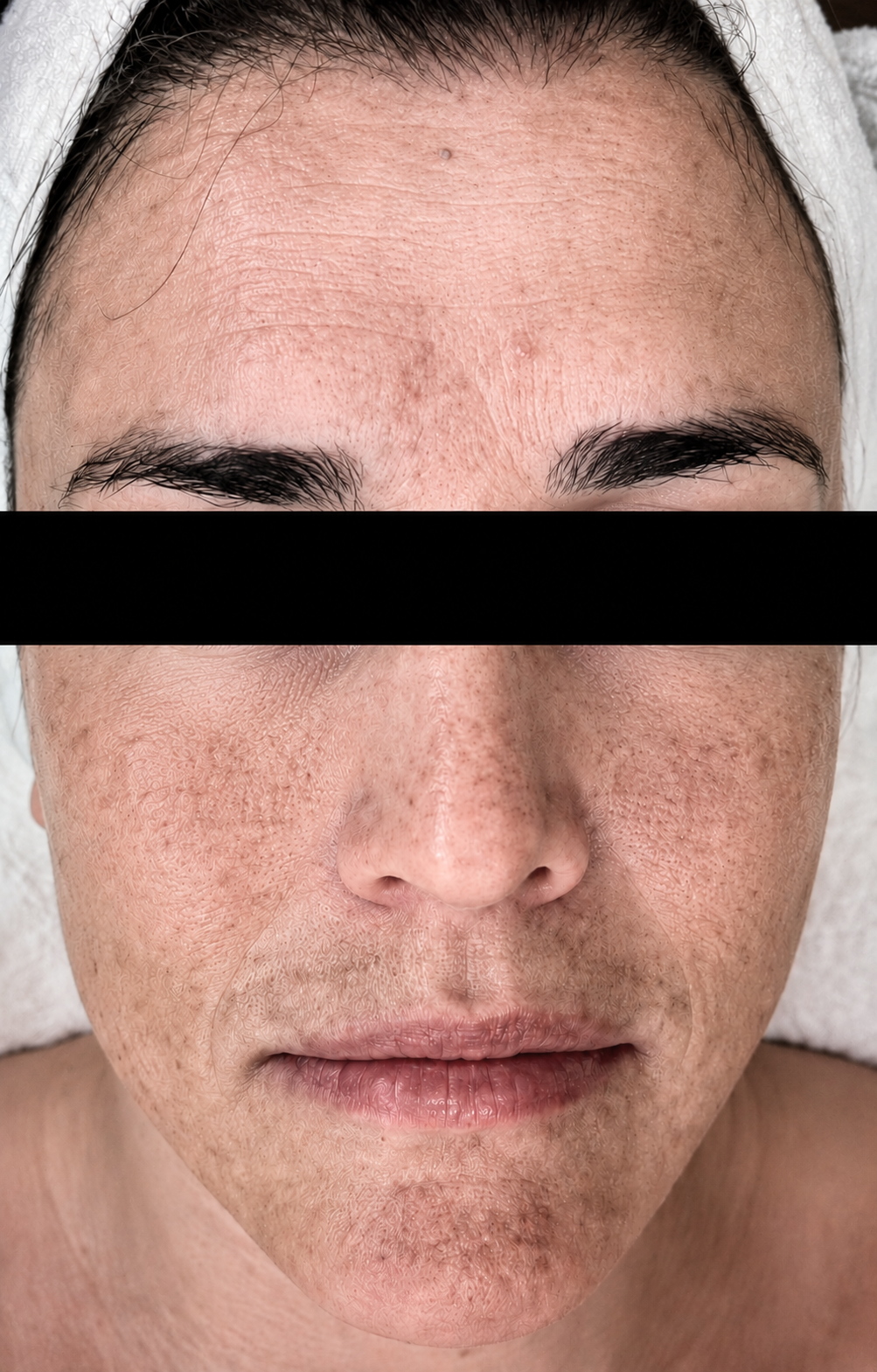
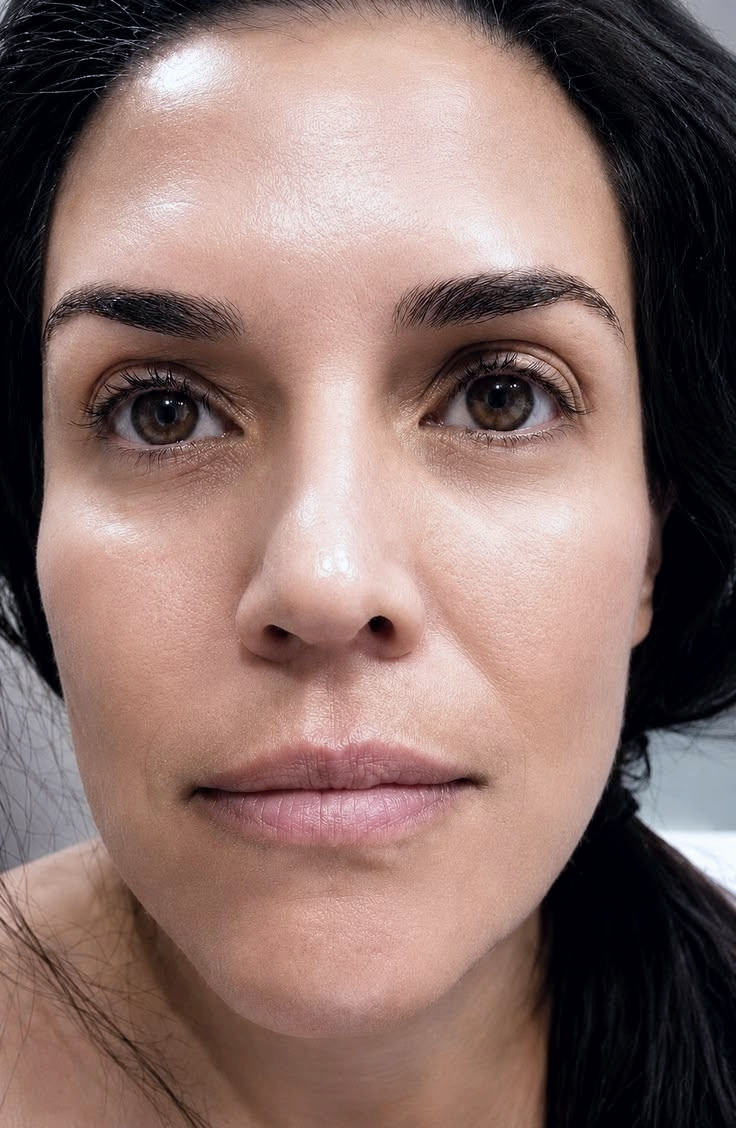
Melasma & Hyperpigmentation | Progressive Correction
The skin presented with melasma, persistent hyperpigmentation, uneven tone, and textural irregularities. Over three months, a customized corrective plan was carefully progressed through consistent skin assessments and ongoing follow-up, with adjustments made according to the skin’s response, tolerance, and visible improvement throughout treatment.
The protocol incorporated hydroquinone pulse therapy, medical-grade skincare, and targeted corrective treatments to progressively address excess pigment while improving overall clarity and texture. With consistency, careful monitoring, and strategic adjustments, the skin showed a visible reduction in discoloration, improved texture and clarity, and a brighter, more even complexion, supporting continued correction and long-term skin health.
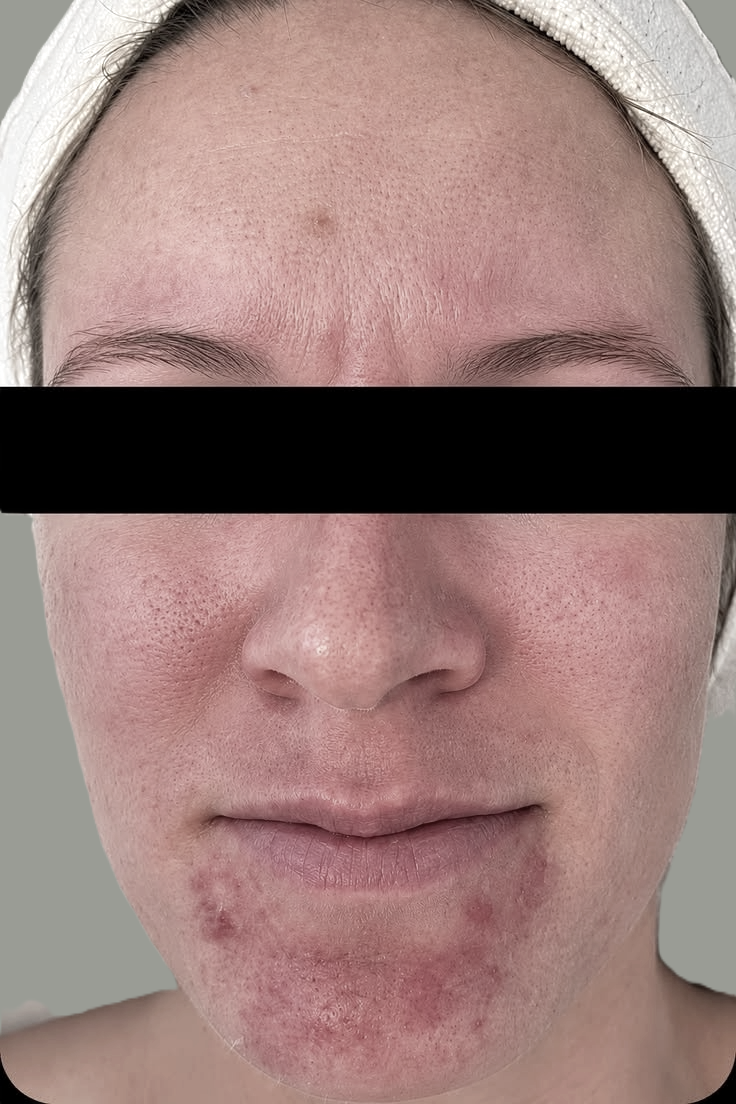
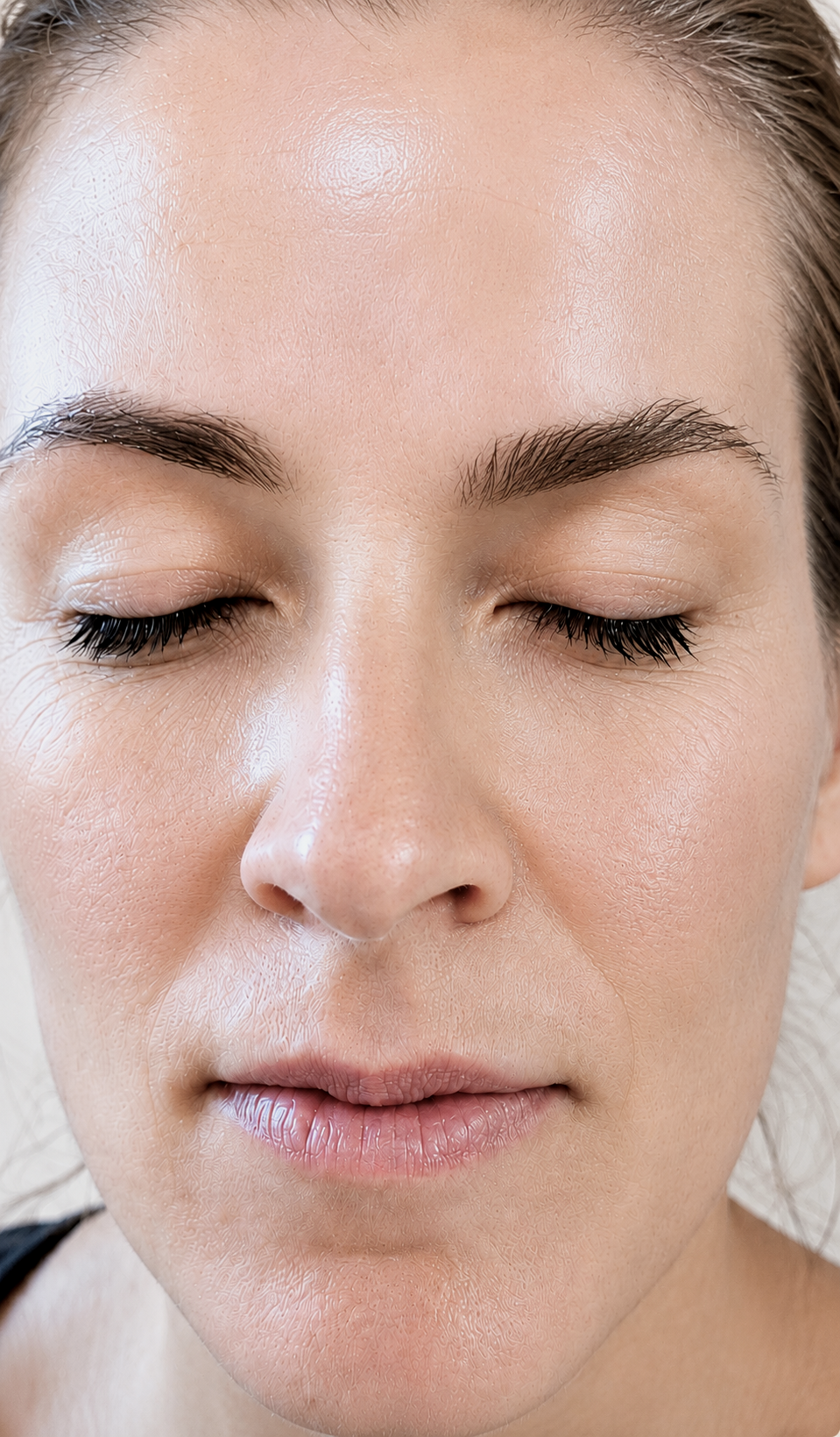
Active Rosacea | Progressive Correction
The skin presented with active rosacea, persistent erythema, inflammation, heightened sensitivity, and uneven texture. A customized corrective plan was carefully progressed through consistent skin assessments and ongoing follow-up, with adjustments made according to the skin’s response, tolerance, and improvement throughout treatment.
The protocol combined medical-grade skincare with targeted multi-therapy treatments, intentionally selected to calm inflammation, reduce visible redness, refine texture, and strengthen overall skin function. With consistency and careful progression, the complexion became visibly calmer, smoother, more even, and balanced, supporting continued improvement and long-term skin health.
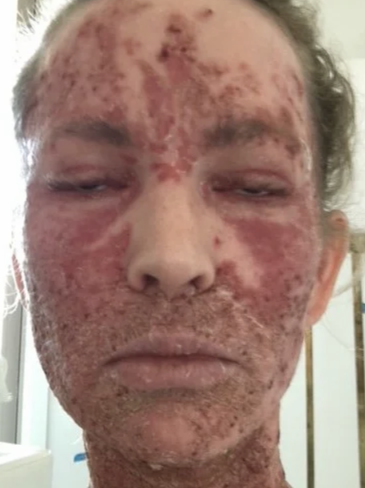
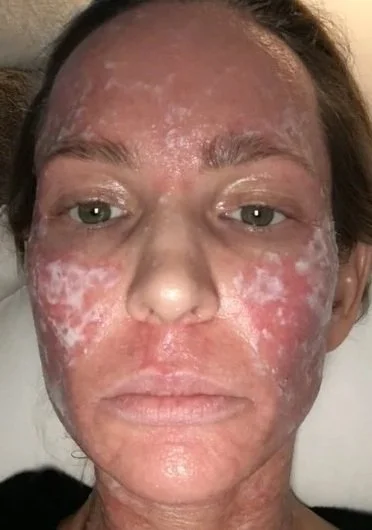
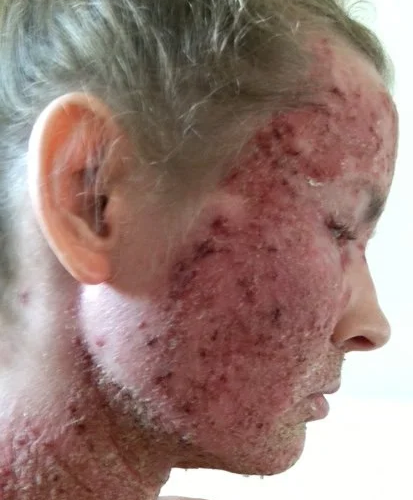
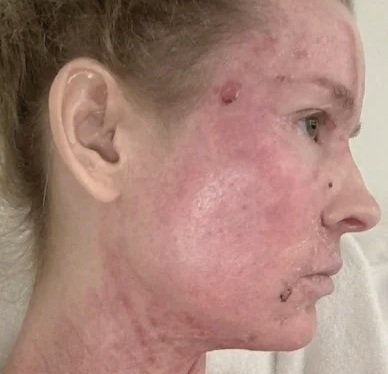
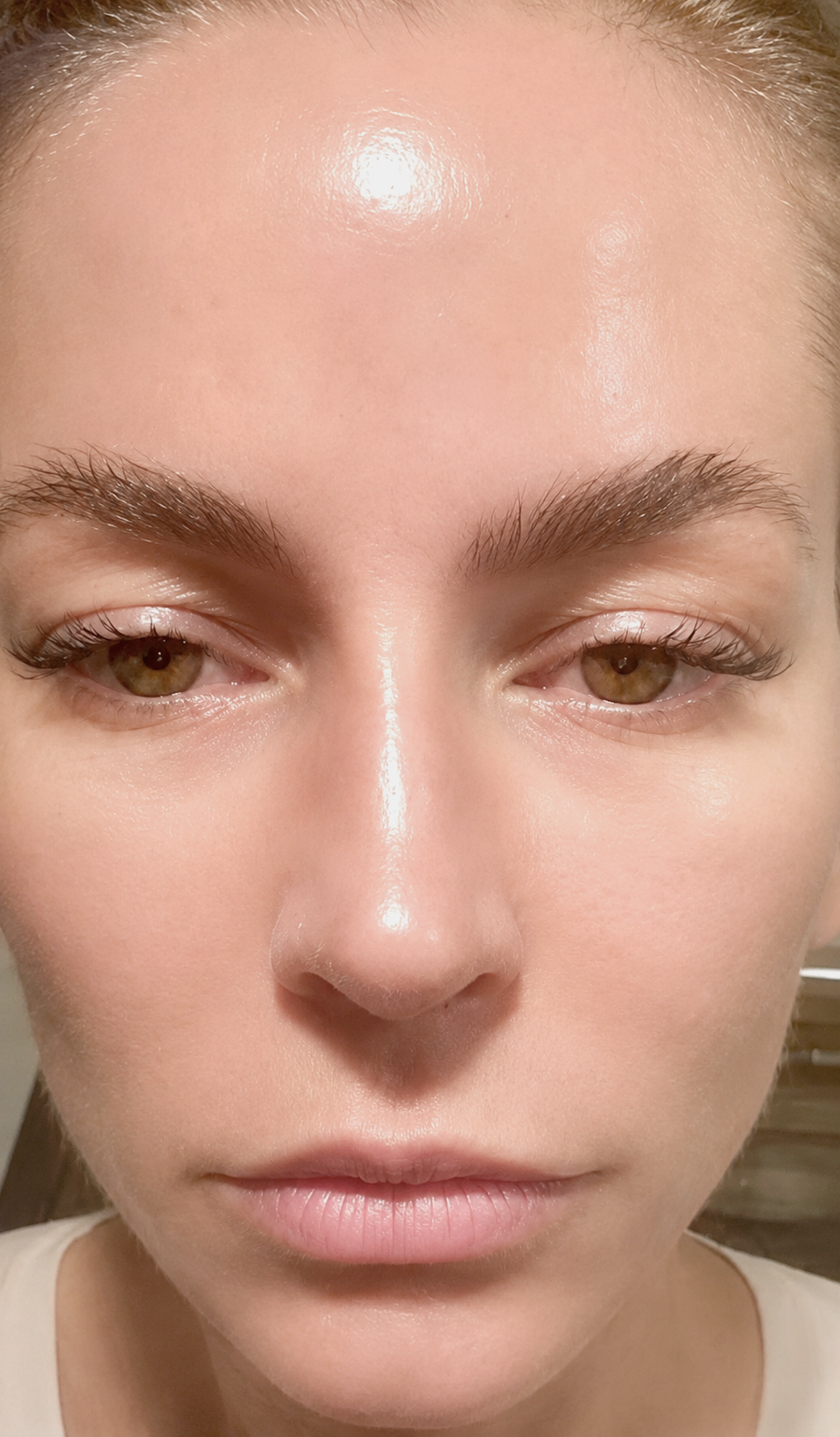
Complete Barrier Restoration
The skin presented with a severe adverse reaction, significant barrier dysfunction, persistent erythema, inflammation, and heightened sensitivity. Over five months, a strategically regimented corrective plan was closely monitored through consistent skin assessments and ongoing follow-up. The protocol was continually modified based on the skin’s response, tolerance, and progression to carefully guide each stage of recovery.
Treatment consisted of hydroquinone pulse therapy combined with 0.01% tretinoin, targeted corrective treatments, clinical-grade skincare, and a structured home-care regimen. As the skin stabilized, the protocol was progressively adjusted to support barrier recovery, pigment regulation, improved texture and tone, and long-term skin health.
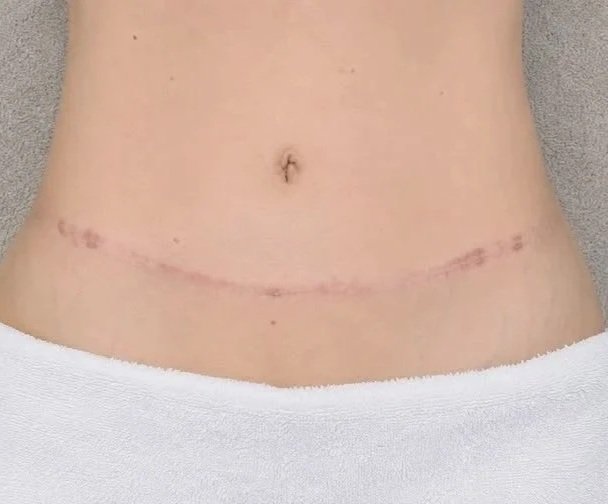
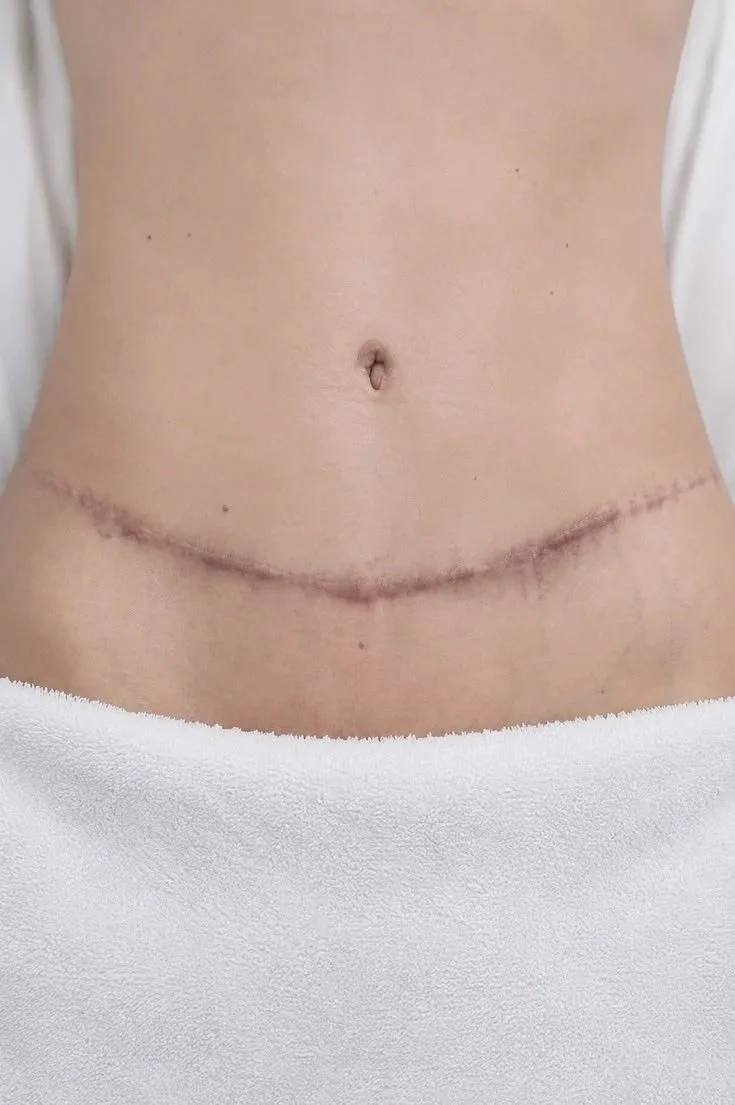
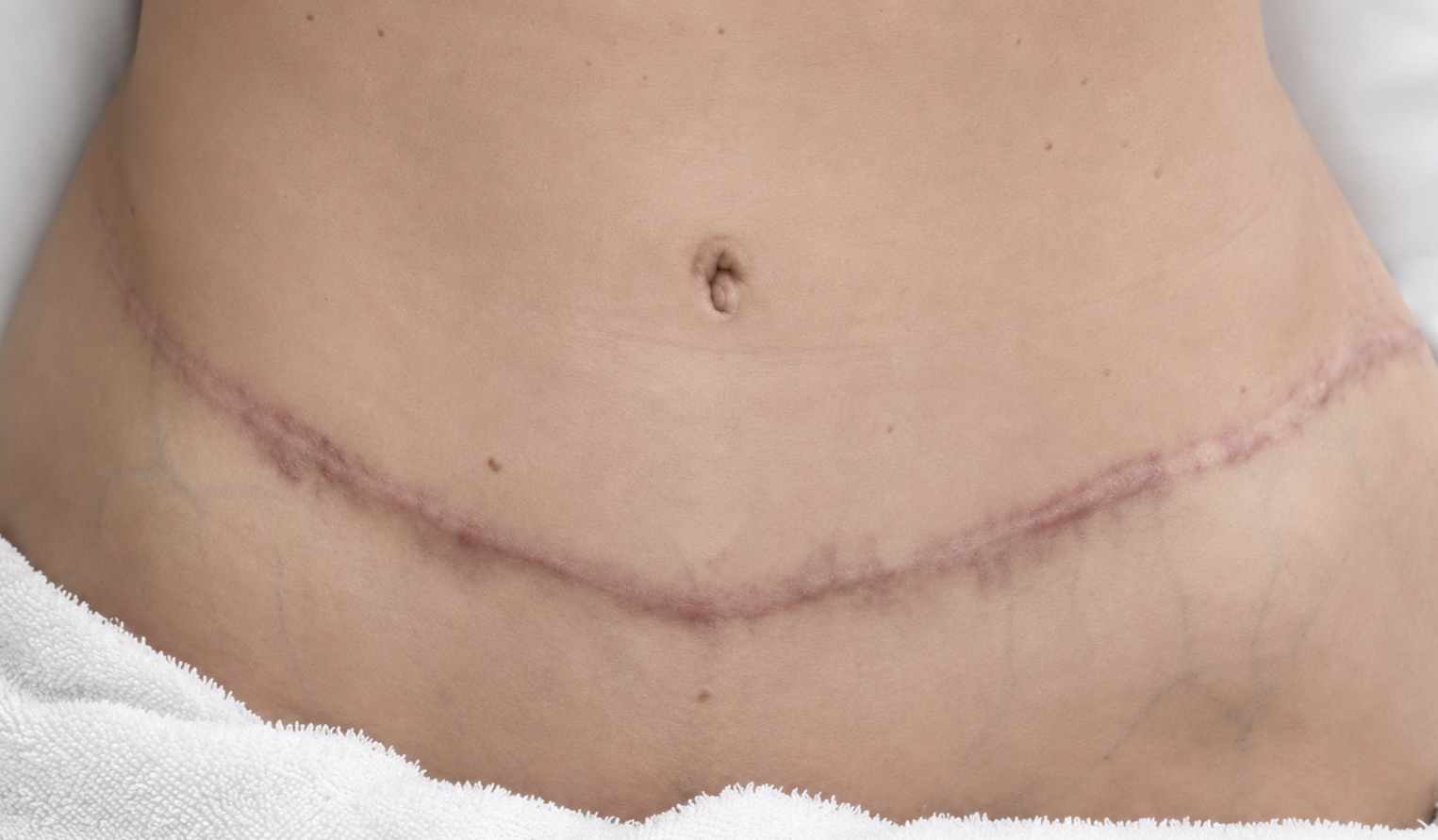
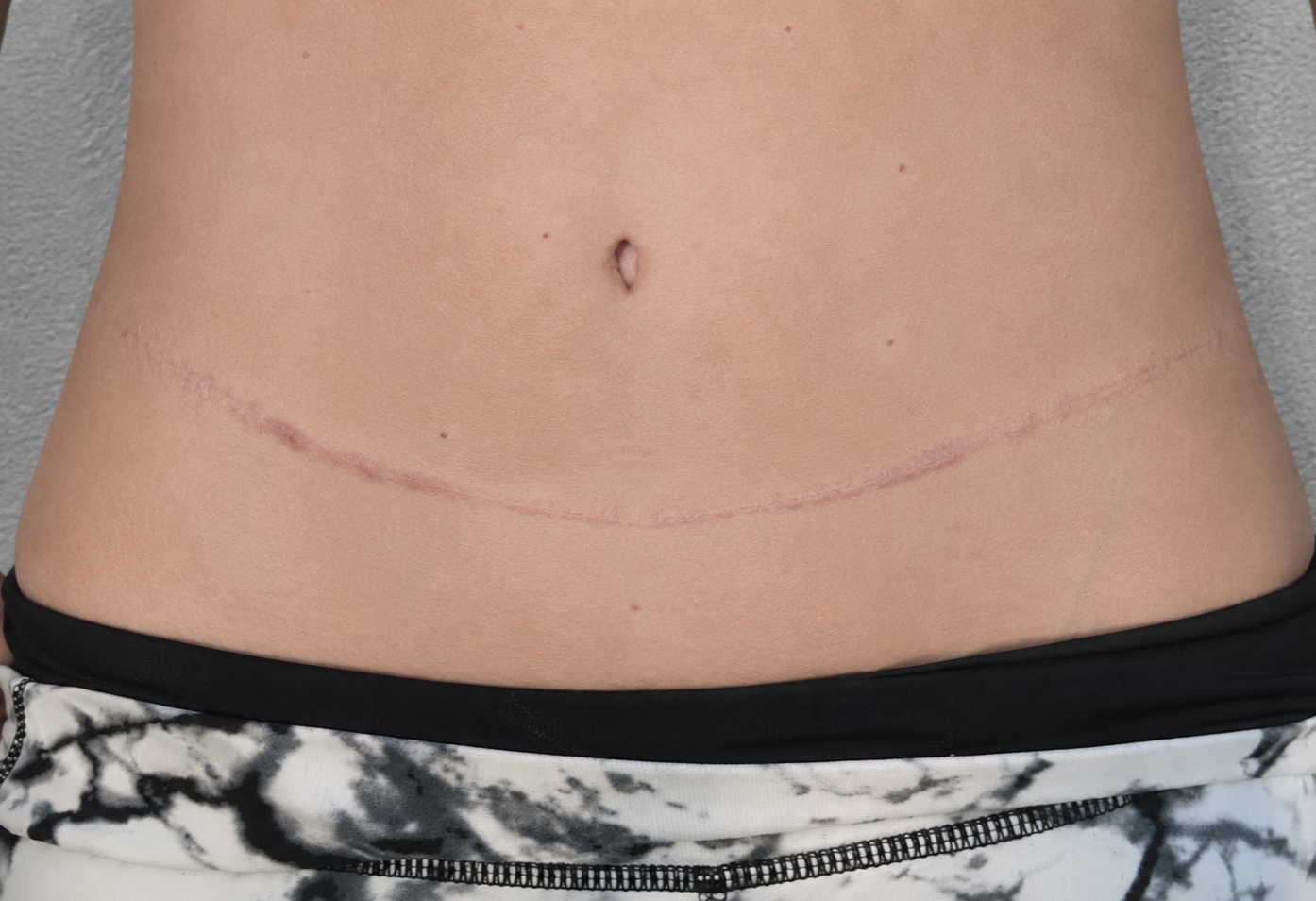
C-Section Scar | Progressive Correction in Progress
The skin presented with a mature C-section scar accompanied by visible discoloration, uneven texture, and changes in the surrounding tissue. At six months into treatment, a progressive corrective plan has been carefully advanced through consistent skin assessments and ongoing follow-up, with adjustments made according to the skin’s response, tolerance, and stage of improvement.
The protocol combines microneedling, intensive clinical treatments, medical-grade skincare, a structured at-home regimen, and hydroquinone and tretinoin pulse therapy to progressively address pigmentation, texture, and the overall appearance of the scar. With consistency, close monitoring, and strategic adjustments, the area has demonstrated visible improvement in discoloration, texture, and overall uniformity, with continued correction planned as treatment progresses.
.